How Import & Export Drives Economic Growth In Bangladesh
The Power of International Trade in Bangladesh:
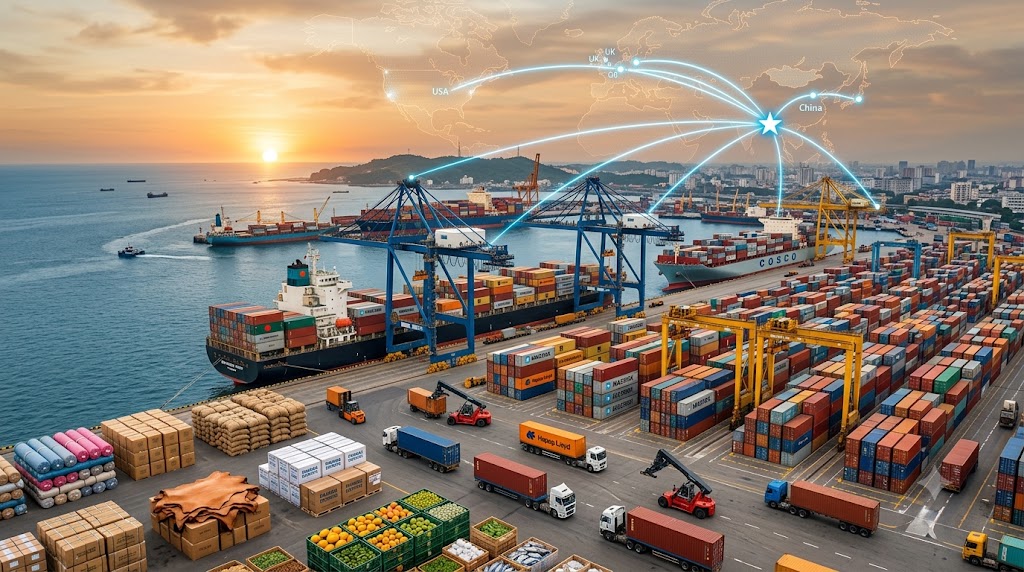
International trade has become a key pillar of Bangladesh’s economic development. Over the years, import and export activities have helped the country expand industries, create employment opportunities, attract foreign investment, and strengthen its position in the global marketplace. As Bangladesh continues its journey toward becoming a more competitive economy, international trade remains essential for sustainable growth and development.
How Exports Contribute to Bangladesh’s Economic Growth:
Exports play a crucial role in generating foreign currency and supporting economic stability. Bangladesh’s ready-made garments (RMG) industry is one of the largest contributors to export earnings and has established the country as a major player in the global apparel market. Millions of people are directly and indirectly involved in export-oriented industries, creating employment opportunities and improving household incomes. In addition to garments, Bangladesh is expanding exports in sectors such as pharmaceuticals, leather products, agricultural goods, jute products, information technology services, and manufacturing. A growing export sector encourages innovation, improves production standards, and helps local businesses compete internationally.
The Importance of Imports for Industrial Development:
While exports generate revenue, imports provide the resources needed for economic expansion. Bangladesh imports essential raw materials, industrial machinery, fuel, technology, and equipment that support manufacturing and business operations. Imported technology helps industries improve efficiency, increase productivity, and produce higher-quality goods. These improvements allow Bangladeshi companies to compete more effectively in international markets.
Import & Export Creating Employment Opportunities:
International trade has become a major source of employment in Bangladesh. Export industries such as garments, manufacturing, and agriculture provide millions of jobs, especially for young people and women. At the same time, import businesses create employment opportunities in logistics, shipping, customs services, transportation, warehousing, and distribution networks. The expansion of trade-related activities contributes to poverty reduction and improves living standards across the country.
Challenges Facing Bangladesh’s Trade Sector:
Despite significant progress, Bangladesh’s import and export sector faces several challenges, including -
- 1) Dependence on a limited number of export products
- 2) Global market competition
- 3) Supply chain disruptions
- 4) Rising transportation costs
- 5) Exchange rate fluctuations
- 6) Need for advanced technology and skilled workers
- To overcome these challenges, Bangladesh needs to diversify exports, improve infrastructure, invest in innovation, and develop a skilled workforce.
- The Future of Import & Export in Bangladesh:
The future of Bangladesh’s economy depends heavily on strengthening international trade. Expanding into new markets, increasing product diversity, adopting modern technologies, and improving trade policies can help Bangladesh achieve greater economic success. With strategic planning and continued development, import and export activities will remain powerful drivers of economic growth, helping Bangladesh build a stronger and more sustainable economy.
Conclusion:
Import and export are more than just commercial activities; they are essential components of Bangladesh’s economic progress. By connecting local industries with global markets, international trade creates jobs, increases investment, supports industrial growth, and opens new opportunities for national development. As Bangladesh continues to grow, a strong and diversified trade sector will play a vital role in shaping the country’s economic future. — Rahatul Goni